
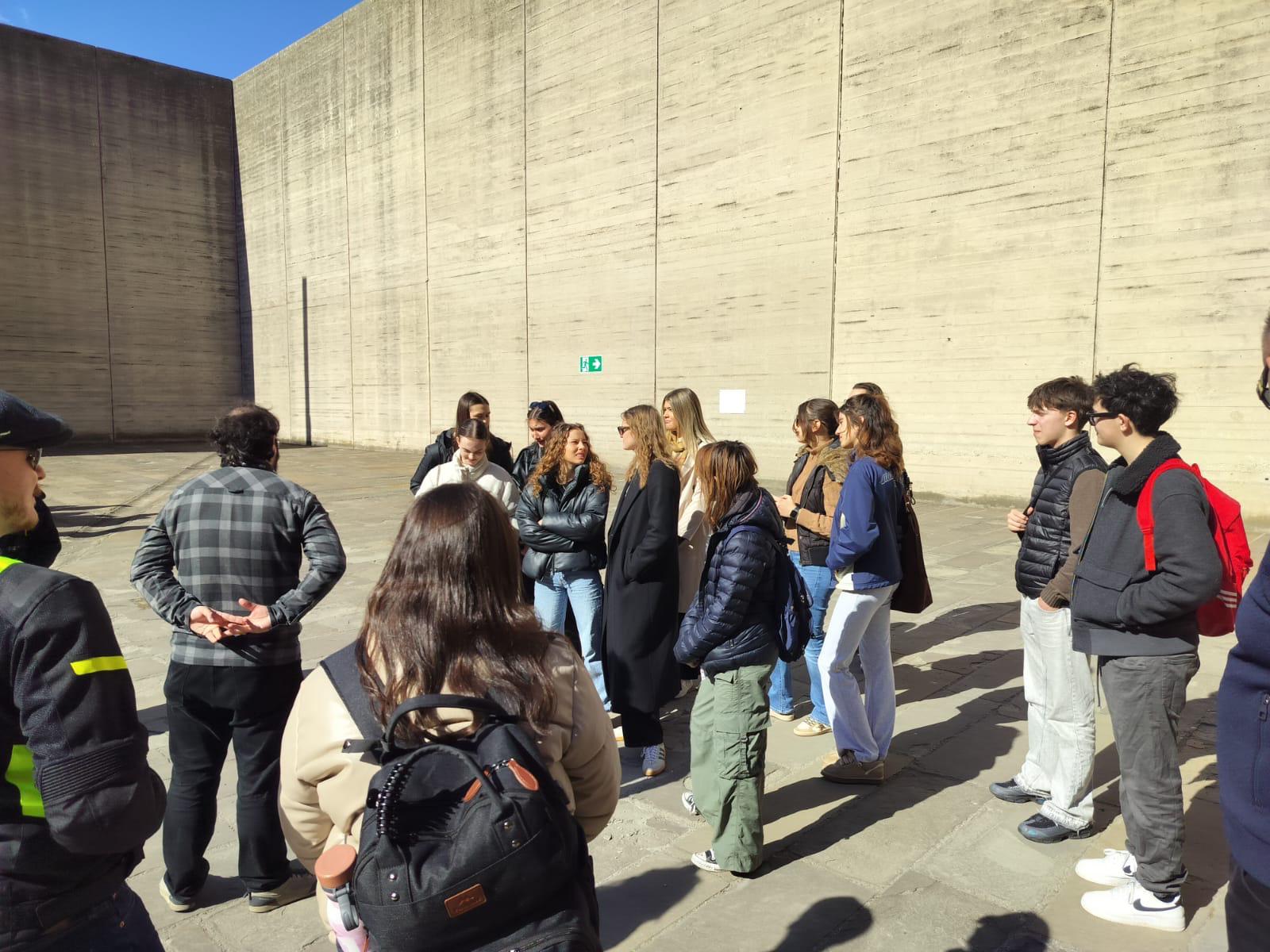

Our recent visit to the Risiera di San Sabba was not simply an educational trip—it was an experience that challenged us to reflect deeply on history, responsibility, and the values we often take for granted. Located in the city of Trieste, the Risiera di San Sabba stands as the only Nazi concentration and extermination camp on Italian soil. Originally a rice-husking facility, it was transformed during World War II into a site of detention, torture, and murder under the third Reich. Walking through its stark courtyards and bare cells, it became clear that this was not just a place preserved in time, but a powerful reminder of what can happen when hatred and authoritarianism go unchallenged.
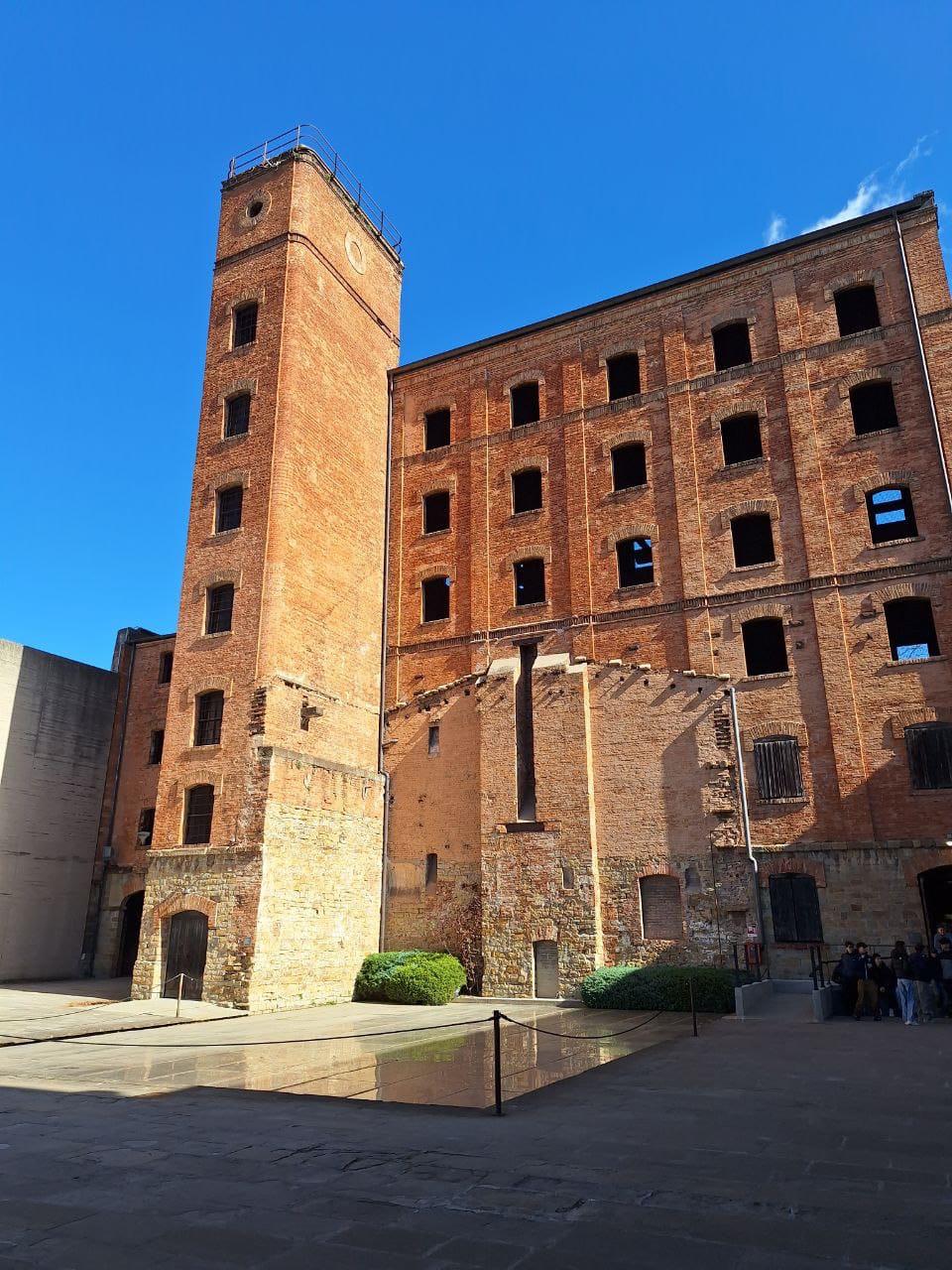
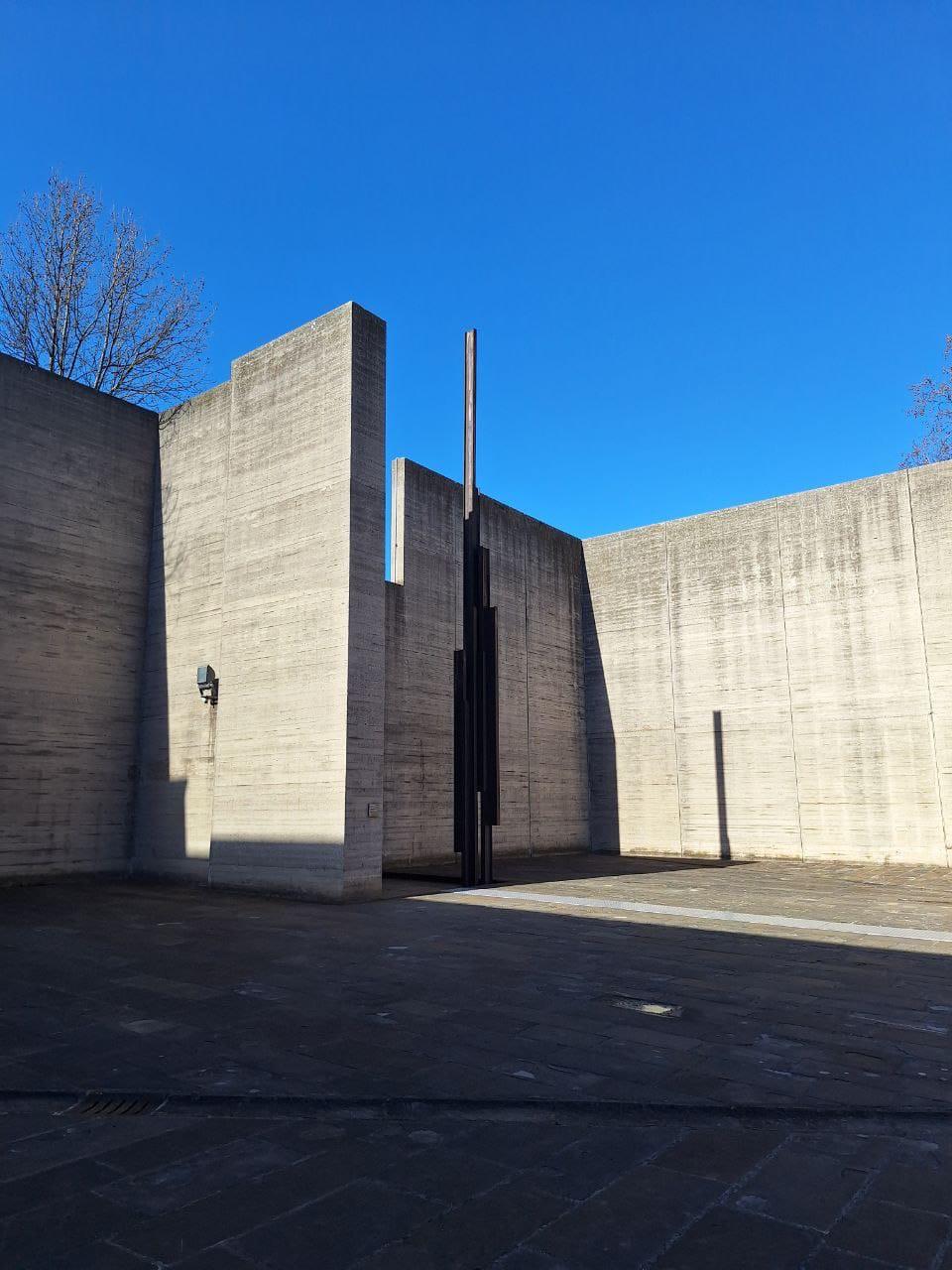
Our visit prompted reflection on the broader context of the Holocaust, a tragedy that claimed the lives of millions, including Jews, political dissidents, Yugoslavs and other persecuted groups. Standing in the shadow of this history, we were reminded that such events did not happen in isolation, they were made possible by silence, propaganda, and the systematic erosion of fundamental freedoms.
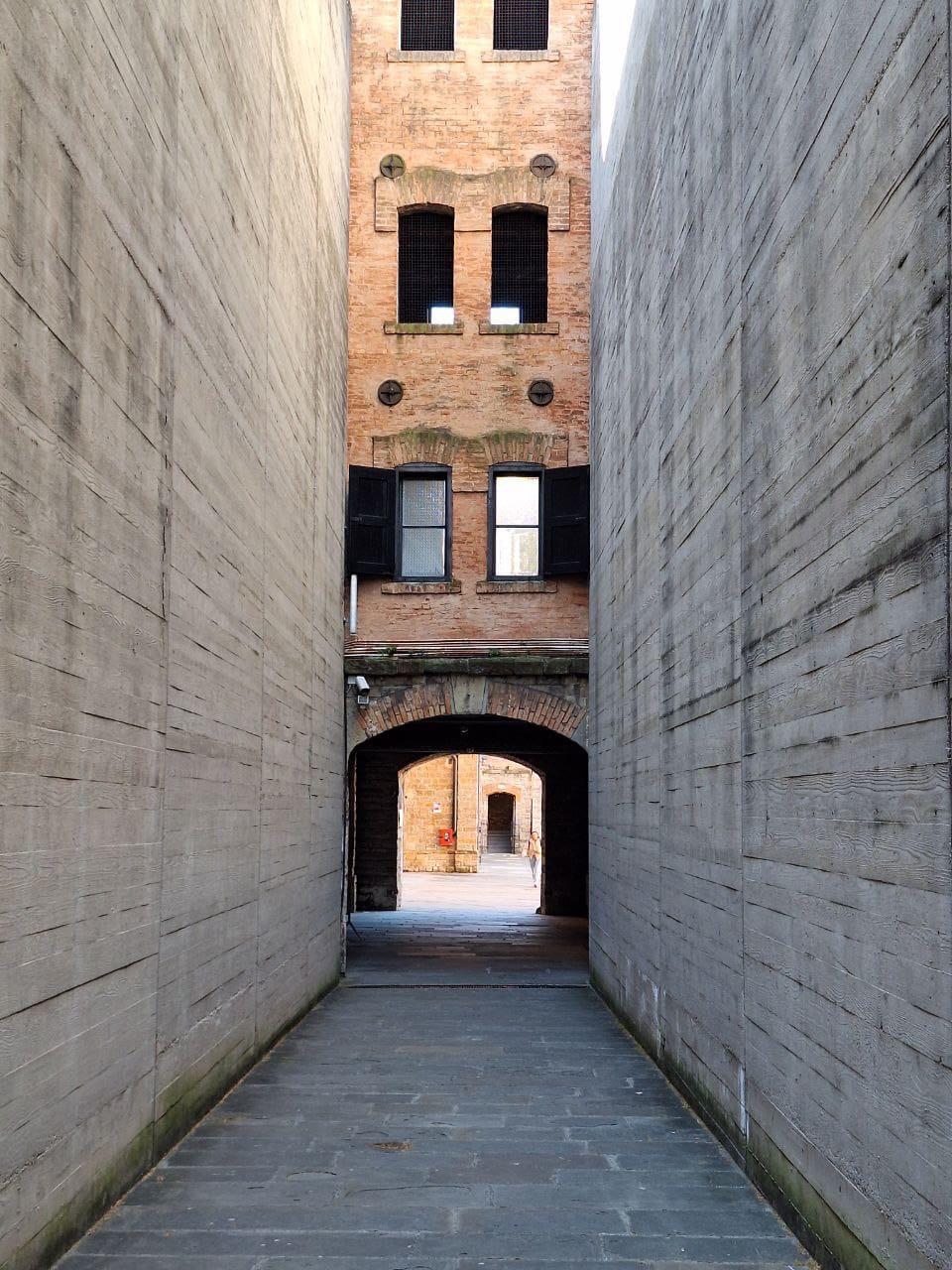
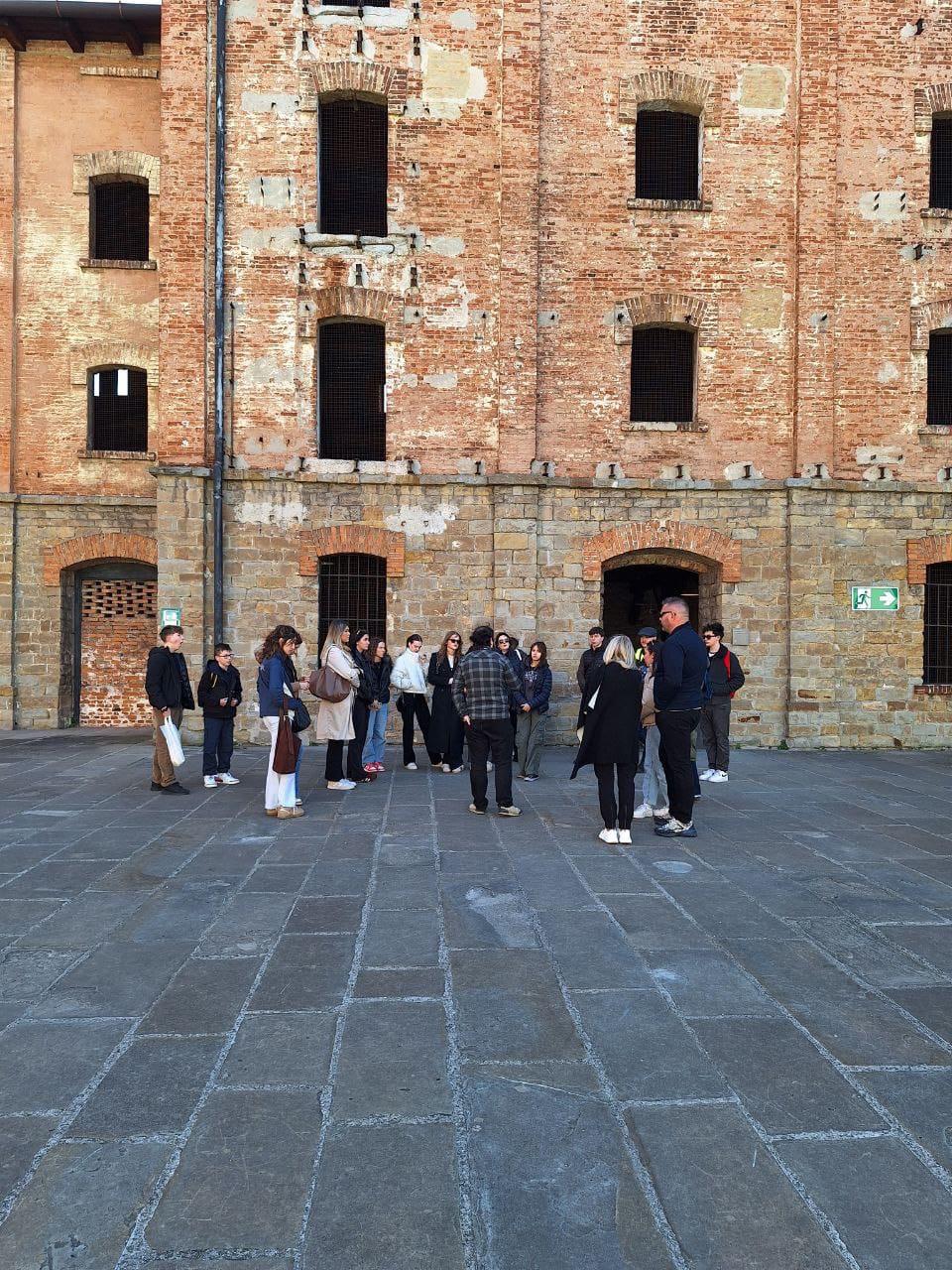
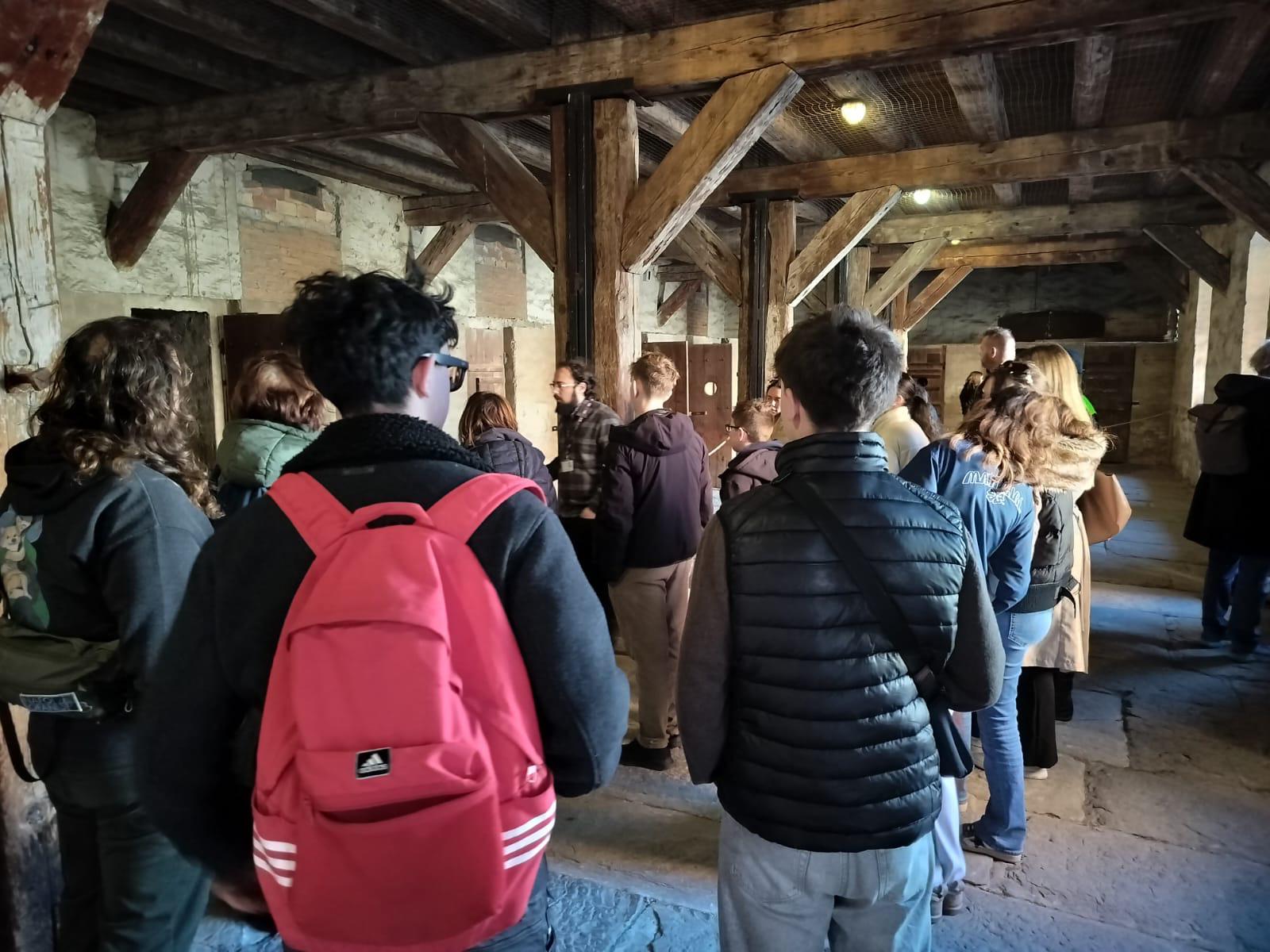
As students, we often encounter history in textbooks, where dates and facts can feel distant and abstract. However, being physically present in such a place transforms understanding into something far more personal. It forces us to confront uncomfortable truths and to recognize our role in shaping the future. Remembering history is not about dwelling in the past; it is about learning from it. This visit also highlighted the importance of collective memory. Preserving sites like the Risiera ensures that future generations can bear witness to the consequences of intolerance and indifference. Memory acts as a safeguard, helping societies resist the repetition of past atrocities.
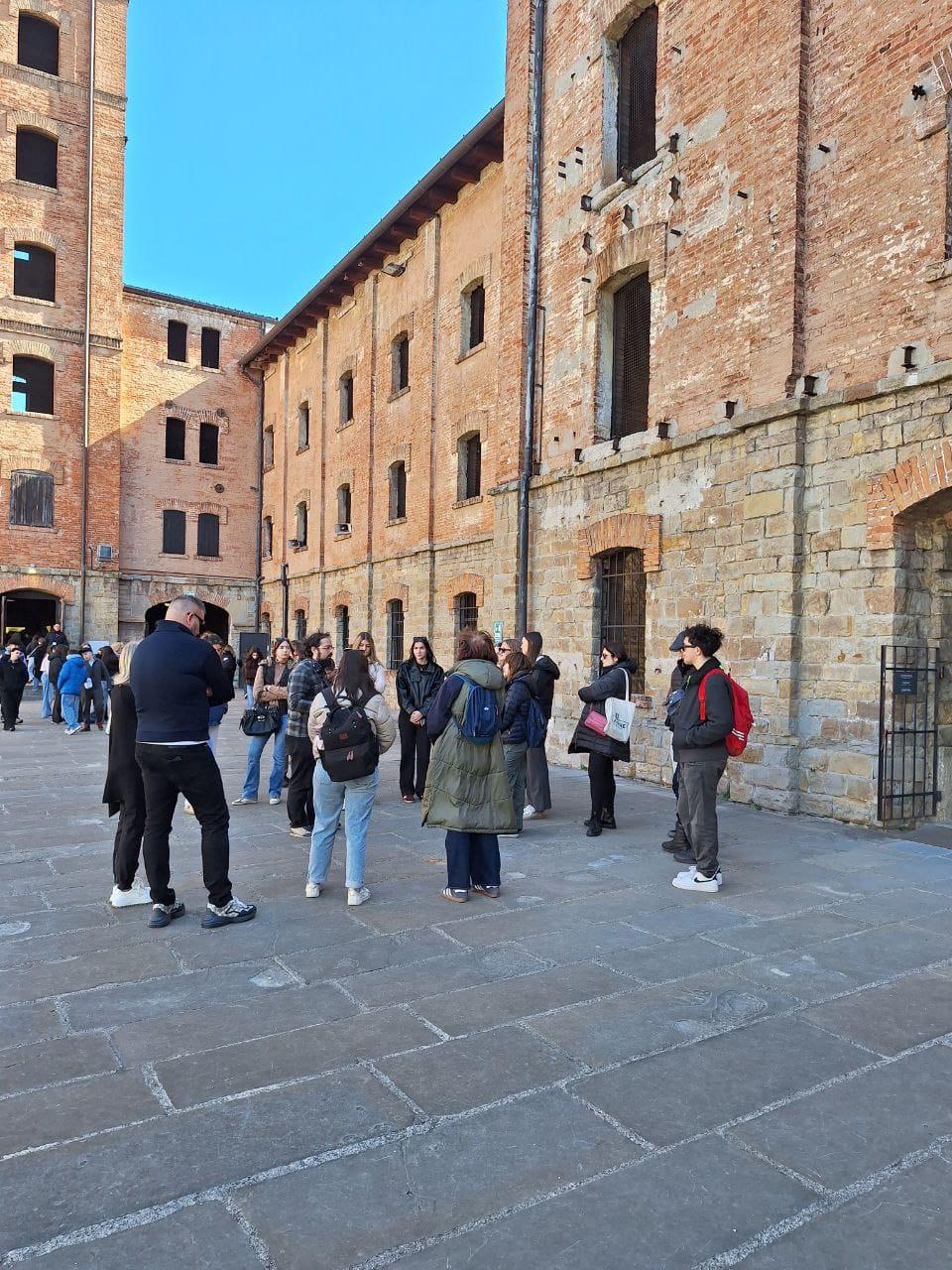
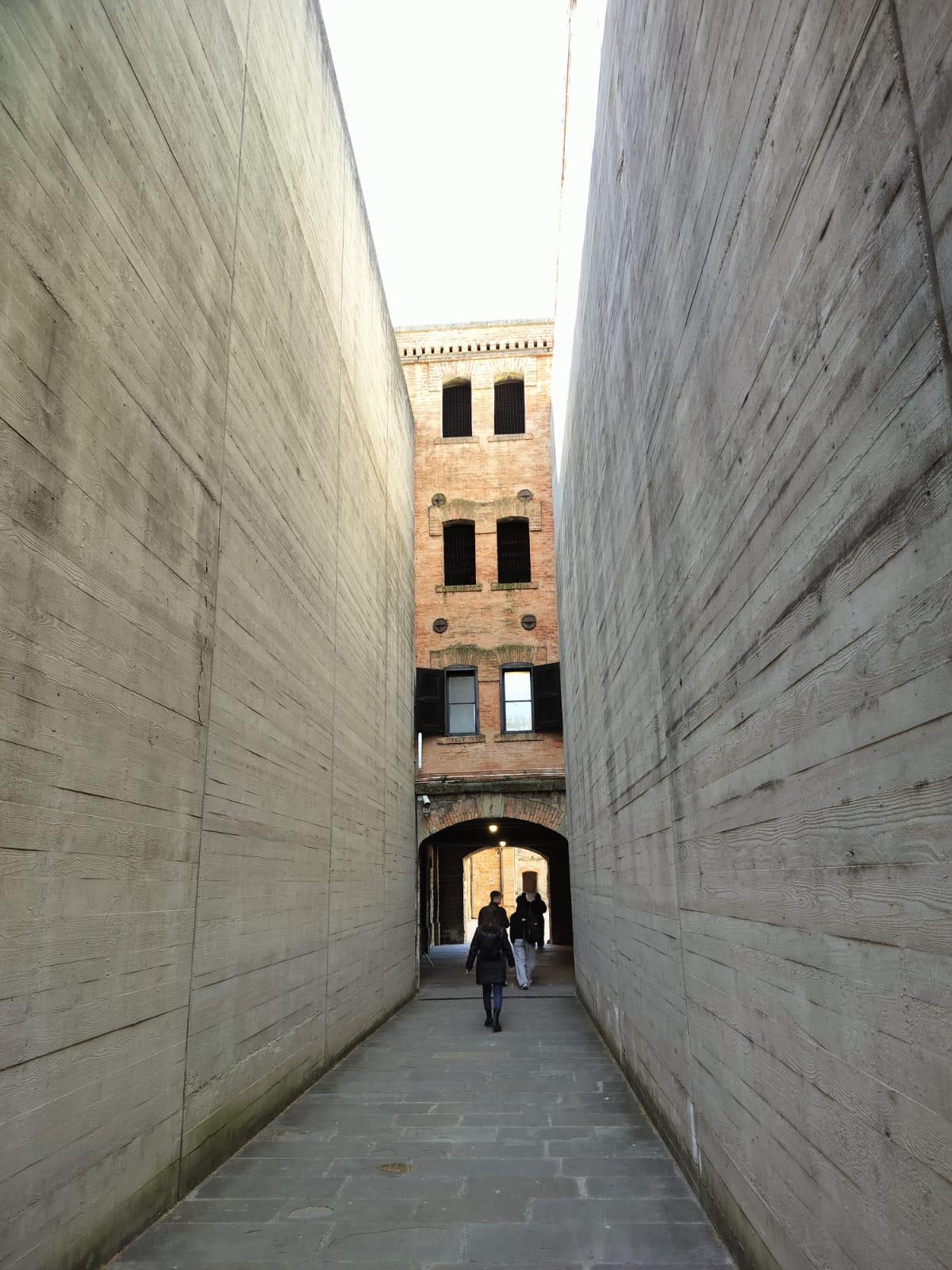
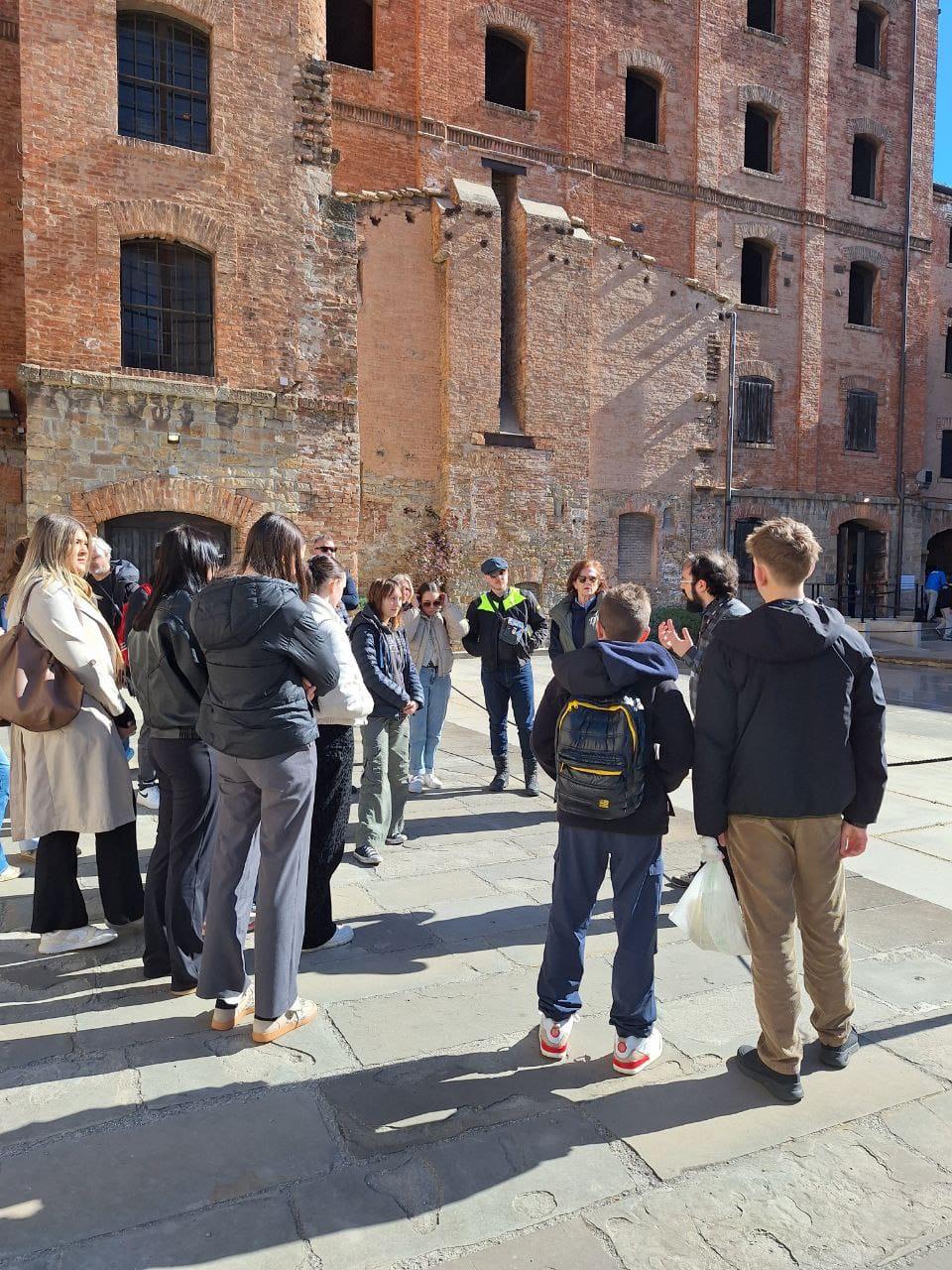
Ultimately, our time at the Risiera di San Sabba was a reminder that history is not just something we study—it is something we inherit. With that inheritance comes responsibility: to remain informed, to speak out against injustice, and to uphold the values of dignity, respect, and freedom for all.